Your Complete Guide to Home Protection Before Severe Weather Strikes
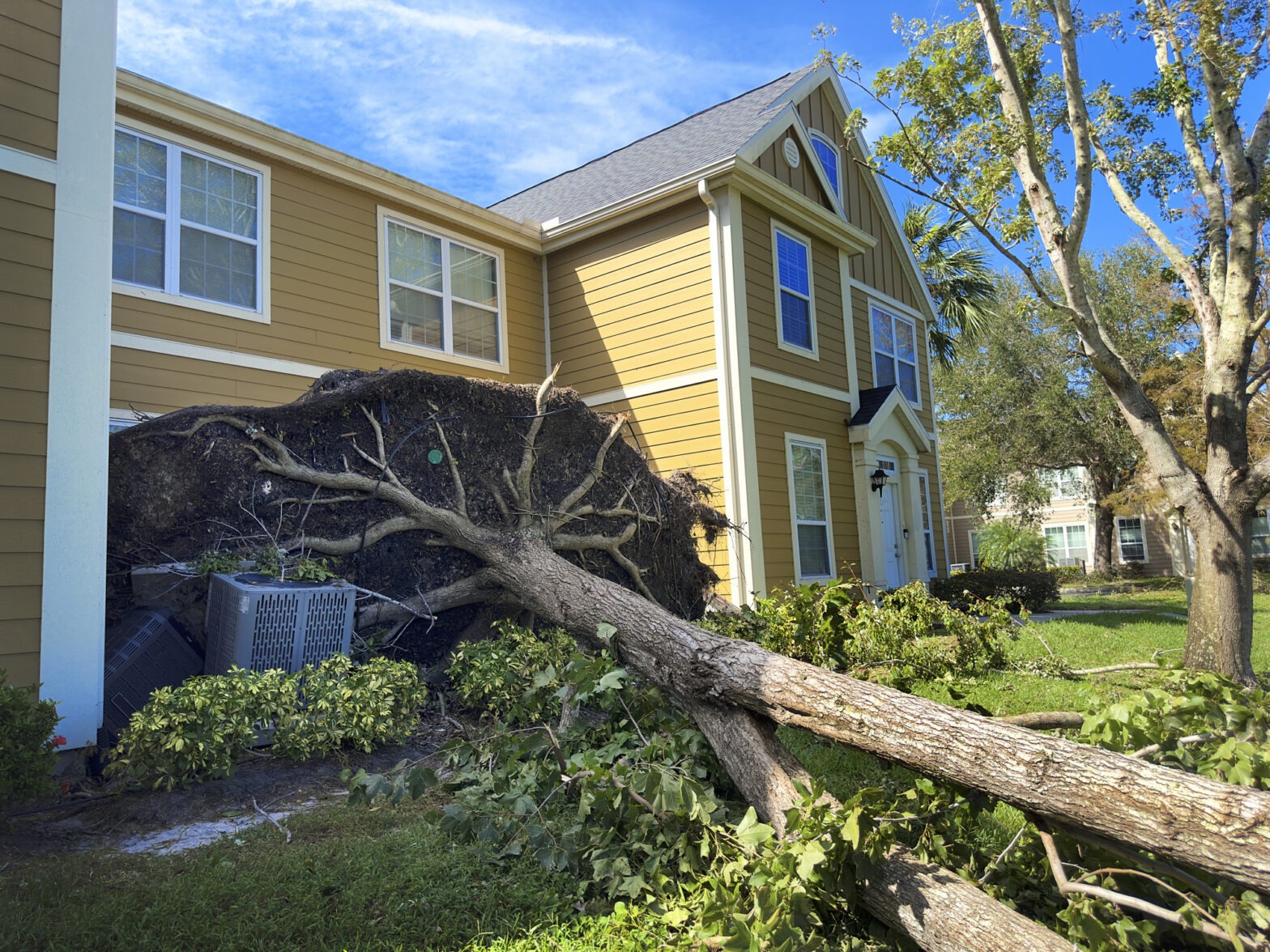
Picture this: a storm warning pops up on your phone with less than 24 hours to go. You start running through the mental checklist. Is the roof okay? Do you know what your homeowners insurance actually covers? Did you ever get around to checking whether flood insurance was something you needed?
If that scenario feels a little too familiar, you are not alone. Most homeowners think about severe weather preparation in a reactive way, right when a storm is already on the radar. The reality is that the best time to think about home protection is long before the skies turn dark.
According to the National Oceanic and Atmospheric Administration (NOAA), weather-related disasters cause an average of more than $100 billion in damage across the United States every single year. A big portion of that cost falls on homeowners who were not fully prepared, not fully covered, or both.
This guide walks you through everything you need to know to protect your home before severe weather season hits, from shoring up your property to making sure your homeowners insurance and flood insurance are actually doing the job you expect them to do.
Understanding Your Severe Weather Risk
Before you can protect your home, you need to understand what you are protecting it from. Severe weather does not look the same everywhere. Where you live shapes everything about how you should prepare.
Homeowners on the Gulf Coast and Eastern Seaboard face hurricane season every year, while those in the Midwest and Great Plains deal with tornadoes and large hail. The Pacific Northwest sees major wind events and flooding. The inner West Coast faces wildfire risk. And much of the country must prepare for ice storms and winter weather that can bring down trees, collapse roofs, and knock out power for days.
Start by knowing your specific risks. Two tools that every homeowner should bookmark:
- FEMA’s Flood Map Service Center shows whether your property sits in a designated flood zone. Even if you are not in a high-risk area, you may be closer to one than you think.
- NOAA’s severe weather resources give you historical data on the types of storms most common to your region.
Once you know your risk profile, every other decision in this guide gets easier to prioritize.
Home Protection Starts Outside
Your home’s exterior is its first line of defense against severe weather. A few hours of attention during regular home maintenance before storm season can save you from thousands of dollars in damage down the road.
Your roof
Your roof takes the brunt of almost every storm. Look for missing, curling, or cracked shingles. Check around chimneys, vents, and skylights for gaps in flashing. If your roof is more than 15 to 20 years old, a professional inspection is worth every penny, especially before hurricane or hail season.
Gutters and drainage
Clogged gutters are one of the most overlooked causes of water damage during heavy rain. Clear them out at least twice a year and make sure your downspouts direct water at least three to four feet away from your foundation. Poor drainage is one of the leading causes of basement flooding, even in areas that are not in a flood zone.
Trees and landscaping
Overhanging branches are a liability when the wind picks up. Hire an arborist to trim any limbs hanging over your roof or near power lines. Also, walk your yard and take note of anything that can become a projectile in high winds: patio furniture, potted plants, grills, and decorative items. Have a plan to bring them in or secure them when a storm approaches.
Windows, doors, and the garage
Standard windows can shatter in high winds, which creates a dangerous pressure change inside your home. Storm shutters or impact-resistant glass are the gold standard. If those are not in the budget right now, plywood panels pre-cut to your window sizes are a practical backup plan. Do not forget the garage door. It is often the largest and weakest point of a home’s exterior. Look for bracing kits designed for standard doors or consult a garage door professional.
Pro tip:
Schedule your exterior inspection in early spring, before storm season ramps up. Most contractors and roofers have more availability and shorter wait times earlier in the season.
Fortify Your Home’s Critical Systems
Beyond the walls and roof, a few key systems inside your home deserve attention before severe weather season begins.
Sump pump
If you have a basement or a crawl space, your sump pump is one of the most important pieces of equipment you own. Test it annually by pouring water into the pit and making sure it kicks on. Consider a battery backup system, because sump pumps fail exactly when you need them most: during a power outage caused by the same storm that is dumping rain on your house.
Generator and surge protection
If you have a generator, make sure it is properly maintained and that you understand safe operation protocols. Generators should always run outdoors and away from windows. For households without a generator, invest in whole-home surge protectors and battery backups for essential electronics. A power surge after a storm can damage appliances and HVAC systems in ways that are not always covered by homeowners insurance.
Know your shutoffs
Every adult in your household should know where the main water shutoff, gas shutoff, and electrical panel are located. After a severe weather event, being able to cut power or water quickly can prevent secondary damage from a broken pipe or gas leak.
Emergency supplies and your family plan
Keep at least 72 hours’ worth of essentials on hand: bottled water, non-perishable food, medications, a first aid kit, flashlights, batteries, cash, and phone chargers. Make sure your family has a communication plan that covers where to meet and who to call if you get separated. And do not forget the pets. Having supplies and a carrier ready for your animals ahead of time takes one major stressor off the table.
What Your Homeowners Insurance Actually Covers
Here is where a lot of homeowners are surprised, and not in a good way. Most people assume their homeowners insurance will cover whatever a storm throws at their house. The truth is more nuanced, and understanding the details now can save you from a very stressful conversation after disaster strikes.
What a standard policy typically covers
Most standard homeowners insurance policies (commonly called HO-3 policies) cover damage from wind, hail, lightning, and fire. If a tree falls on your roof during a windstorm or hail punches holes in your siding, you are generally covered. The same goes for damage from the weight of snow or ice in winter storm scenarios.
What it usually does not cover
This is the part that catches people off guard. Standard homeowners insurance almost universally excludes flooding. It also typically excludes earthquake damage, sewer backup (unless you have added an endorsement), and damage that results from neglected maintenance. If water enters your home because of a storm surge, overflowing river, or heavy surface runoff, a standard policy will not help you. That requires separate coverage, which we cover in the next section.
Replacement cost vs. actual cash value
Look closely at your policy declarations page. Two terms matter a great deal: replacement cost value (RCV) and actual cash value (ACV). Replacement cost means your insurance will pay what it costs to rebuild or replace your property at today’s prices. Actual cash value means they will factor in depreciation first, which can leave a significant gap between what you receive and what repairs actually cost. If your current policy is ACV-based, it may be worth upgrading.
Document your belongings before you ever need to
Walk through your home with your phone and record a video of every room, opening closets and cabinets, capturing serial numbers on appliances and electronics. Store this footage somewhere off-site, like a cloud drive, or email it to yourself. If you ever need to file a claim, this documentation makes the process significantly faster and reduces the chance of disputes with your insurer.
Good to Know:
Review your homeowners insurance policy once a year, ideally before storm season. Coverage limits that made sense when you bought your home may no longer reflect what it would cost to rebuild today.
Do You Need Flood Insurance?
This is one of the most important sections in this entire guide. Please do not skip it.
Flooding is the most common and most costly natural disaster in the United States. And yet, the majority of homeowners who experience flood damage do not have flood insurance, because they assumed their homeowners insurance had them covered. It almost certainly does not.
Your homeowners insurance does not cover flooding
This is worth saying plainly. Whether the source is a storm surge, an overflowing river, flash flooding from heavy rain, or even just runoff from a neighbor’s property, the water damage is not covered under a standard homeowners policy. You need a separate flood insurance policy to be protected.
Your options for flood insurance
Most homeowners get flood insurance through the National Flood Insurance Program (NFIP), which is managed by FEMA and available through many insurance agents. NFIP policies cover up to $250,000 for the structure and up to $100,000 for personal belongings. Private flood insurance is also available and often offers higher coverage limits and broader terms.
You may need it even if you are not in a flood zone
About 25 percent of all flood insurance claims come from properties outside of high-risk flood zones, according to FEMA. If you live in a low-to-moderate risk area, flood insurance is considerably less expensive than it is in high-risk zones, and it still provides real protection. Check FEMA’s flood map to understand your risk level and then have an honest conversation with your insurance agent about whether coverage makes sense for your situation.
Good to Know:
Review your homeowners insurance policy once a year, ideally before storm season. Coverage limits that made sense when you bought your home may no longer reflect what it would cost to rebuild today.
After Severe Weather: What to Do Next
Even with the best preparation in place, storms can still cause damage. How you respond in the first 24 to 48 hours matters a great deal, both for your safety and for your insurance claim.
Safety first, always
Do not re-enter your home until local authorities say it is safe. Watch for downed power lines, structural damage, and gas leaks. If you smell gas, leave immediately and call your utility company from a safe distance.
Document everything before you touch anything
As soon as it is safe to do so, photograph and video all damage before you begin any cleanup or temporary repairs. Capture wide shots and close-ups of every affected area. This documentation is the foundation of your insurance claim. Your insurer will want to see evidence of what the damage looked like in its original state.
Contact your insurance company quickly
Call your homeowners insurance provider as soon as you can. Most policies have time requirements for reporting damage. Your insurer will assign an adjuster to assess the damage, and the sooner that process starts, the sooner your claim moves forward. In the meantime, make only necessary temporary repairs to prevent further damage, and save every receipt.
Watch out for storm-chasing contractors
After a major storm, contractors often flood affected neighborhoods looking to land quick work. Some are legitimate. Others are not. Be cautious of anyone who shows up unsolicited, asks for large upfront payments, or pressures you to sign anything quickly. Get at least two or three estimates, check references and licenses, and never sign over your insurance benefits to a contractor (this is called an Assignment of Benefits, and it can complicate your claim).
Know your options for financing repairs
Insurance claims take time to process, and repairs often cannot wait. If you have built equity in your home, refinancing can be a practical way to fund repairs while your claim moves through the system. Your First Heritage Mortgage loan officer can walk you through your options and help you understand what makes sense for your financial situation.
Frequently Asked Questions (FAQ)
Standard homeowners insurance typically covers damage from wind, hail, lightning, and fire. It does not cover flooding, which requires a separate flood insurance policy. Always review your policy declarations page to understand exactly what is and is not included.
If your property is in a FEMA-designated high-risk flood zone and you have a federally backed mortgage, flood insurance is typically required. Even if it is not required for your situation, it is worth considering, because standard homeowners insurance does not cover flood damage regardless of where you live.
The cost of flood insurance varies based on your location, the age and structure of your home, and your coverage limits. Through the NFIP, average annual premiums generally fall in the range of $700 to $800, though they can be higher in high-risk areas. Private flood insurance may offer different pricing and more flexible coverage options.
Start with the exterior: inspect your roof, clear your gutters, trim trees, and secure anything that could become a projectile. Then, look at your home’s critical systems, including your sump pump and electrical setup. Review your homeowners insurance policy and consider whether you need flood insurance. Finally, put a family emergency plan in place before storm season begins.
Preparing for severe weather is not about fear. It is about being a thoughtful, prepared homeowner who has done the work to protect one of the most significant investments of their life.
The steps in this guide do not have to happen all at once. Start with what feels most urgent for your region and your situation. Tackle your exterior before storm season. Pull out your homeowners insurance policy and actually read it. Have a conversation with your agent about whether flood insurance belongs in your plan. Make sure your family knows what to do if a storm hits.
Small steps taken before the storm add up to big protection when it matters most.
Whether you are thinking about refinancing to fund home improvements, wondering how a weather event might affect your home’s value, or just want to talk through your options, our team is here. Get started with a First Heritage Mortgage loan officer today.
This post contains links to other websites that are not hosted nor controlled by FHM. FHM is not responsible for their content, or the content of any information linked to these websites. Links to other websites are provided as a convenience to our visitors and do not imply any endorsement by FHM of information contained in these websites or the organizations that support them.
The included content is intended for informational purposes only and should not be relied upon as professional advice. Additional terms and conditions apply. Not all applicants will qualify. Consult with a finance professional for tax advice or a mortgage professional to address your mortgage questions or concerns. This is an advertisement. Prepared 06/04/2026.
The views and opinions expressed in this blog post are those of the author and do not necessarily reflect the official policy or position of First Heritage Mortgage L.L.C. The content provided is intended for informational purposes only and reflects the personal opinions of the author. It should not be construed as financial, legal, or professional advice.
By refinancing an existing mortgage, the consumer’s total finance charges may be higher over the life of the loan. Contact your First Heritage Mortgage loan officer for more details.